

.webp?language=en-US)

.webp?language=en-US)
Huckleberry Perch
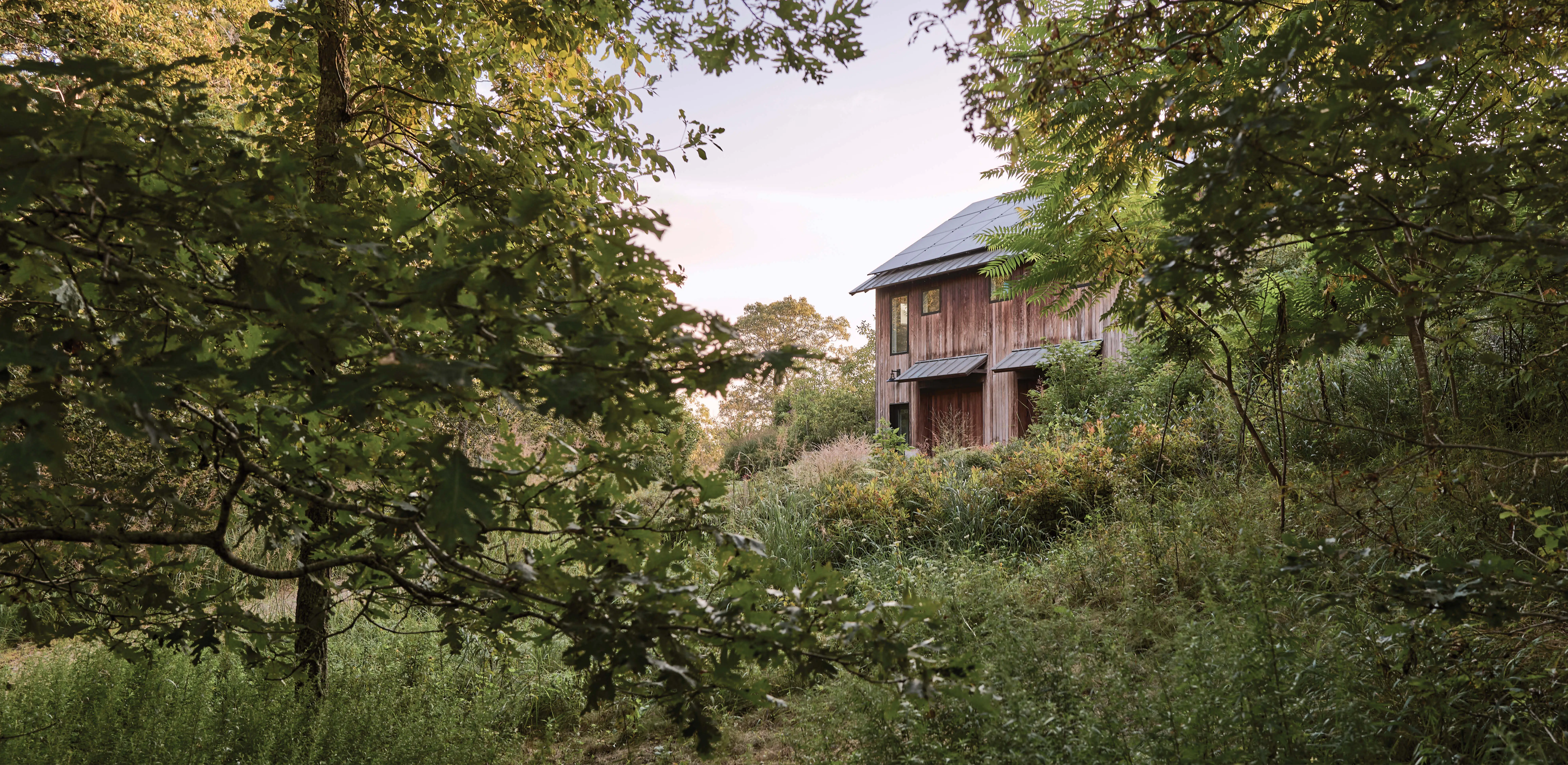
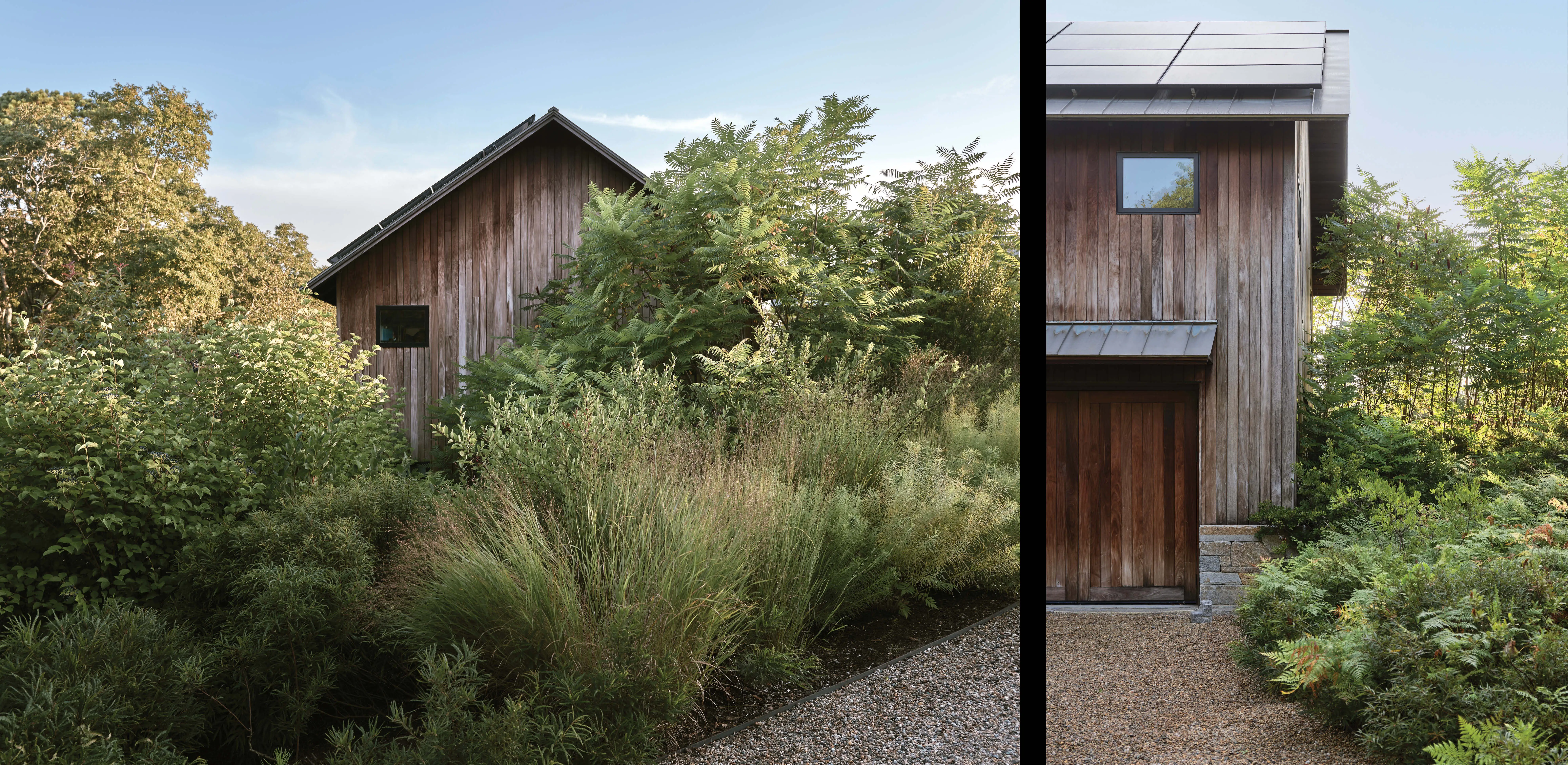
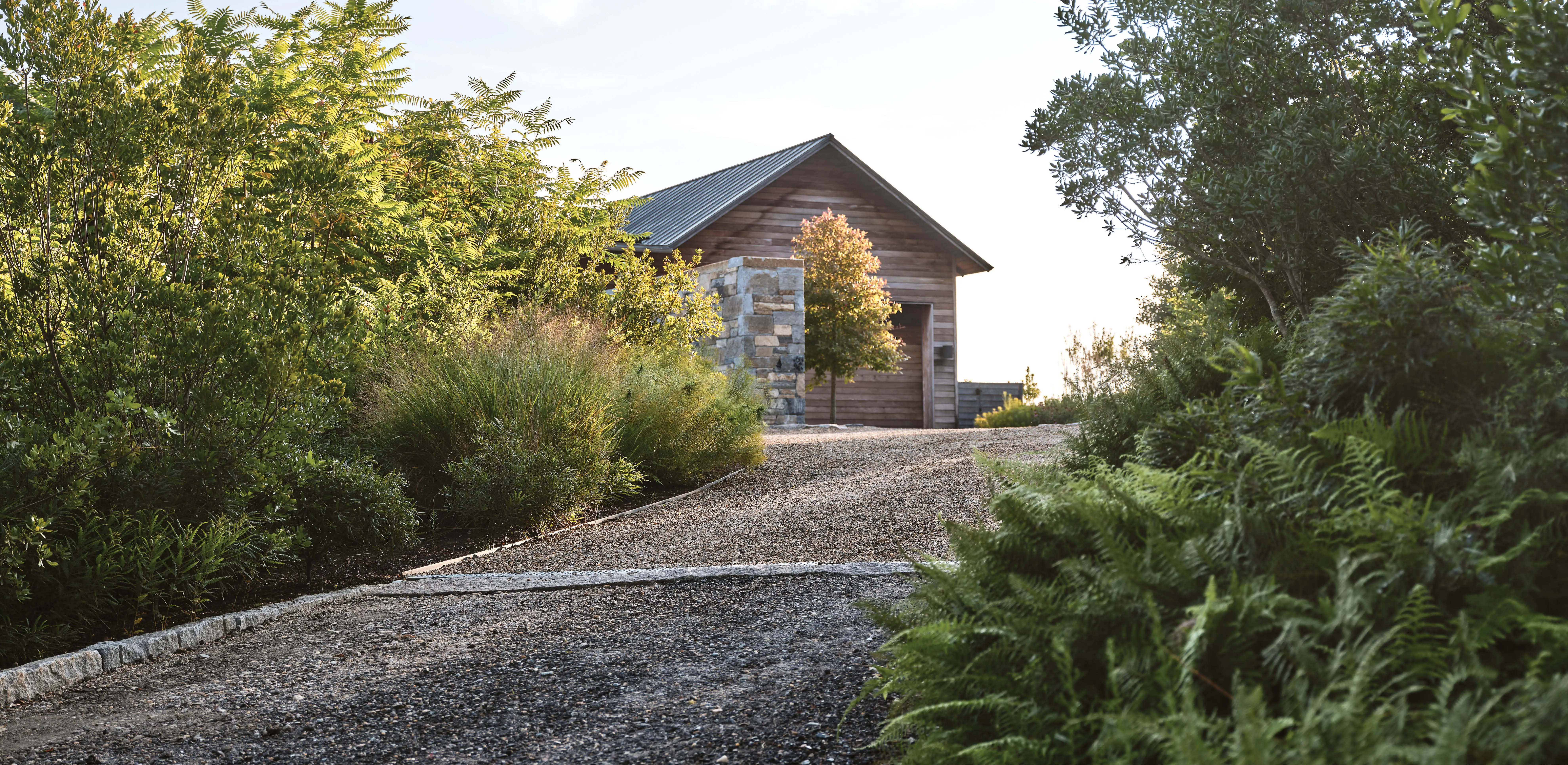
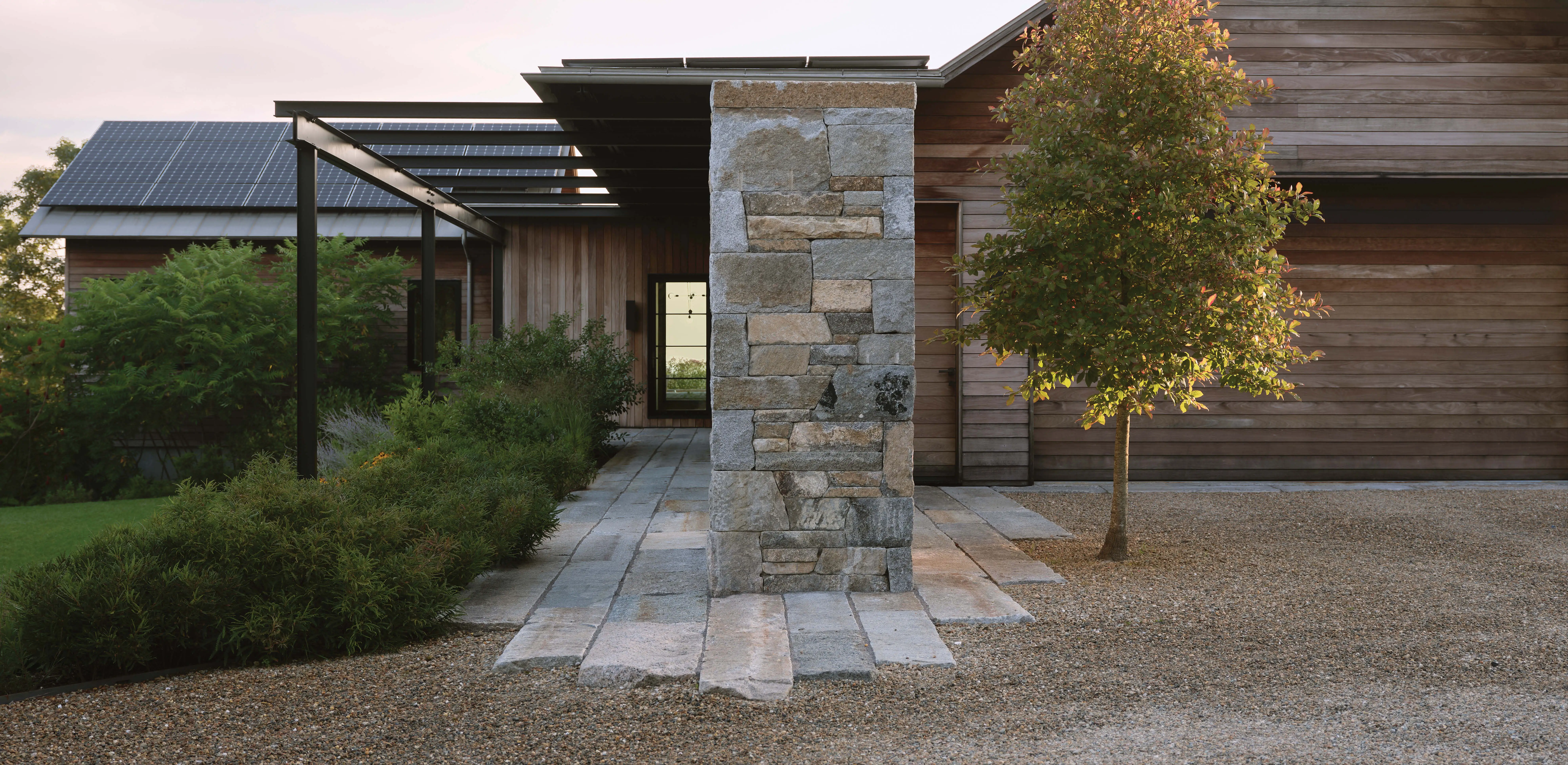
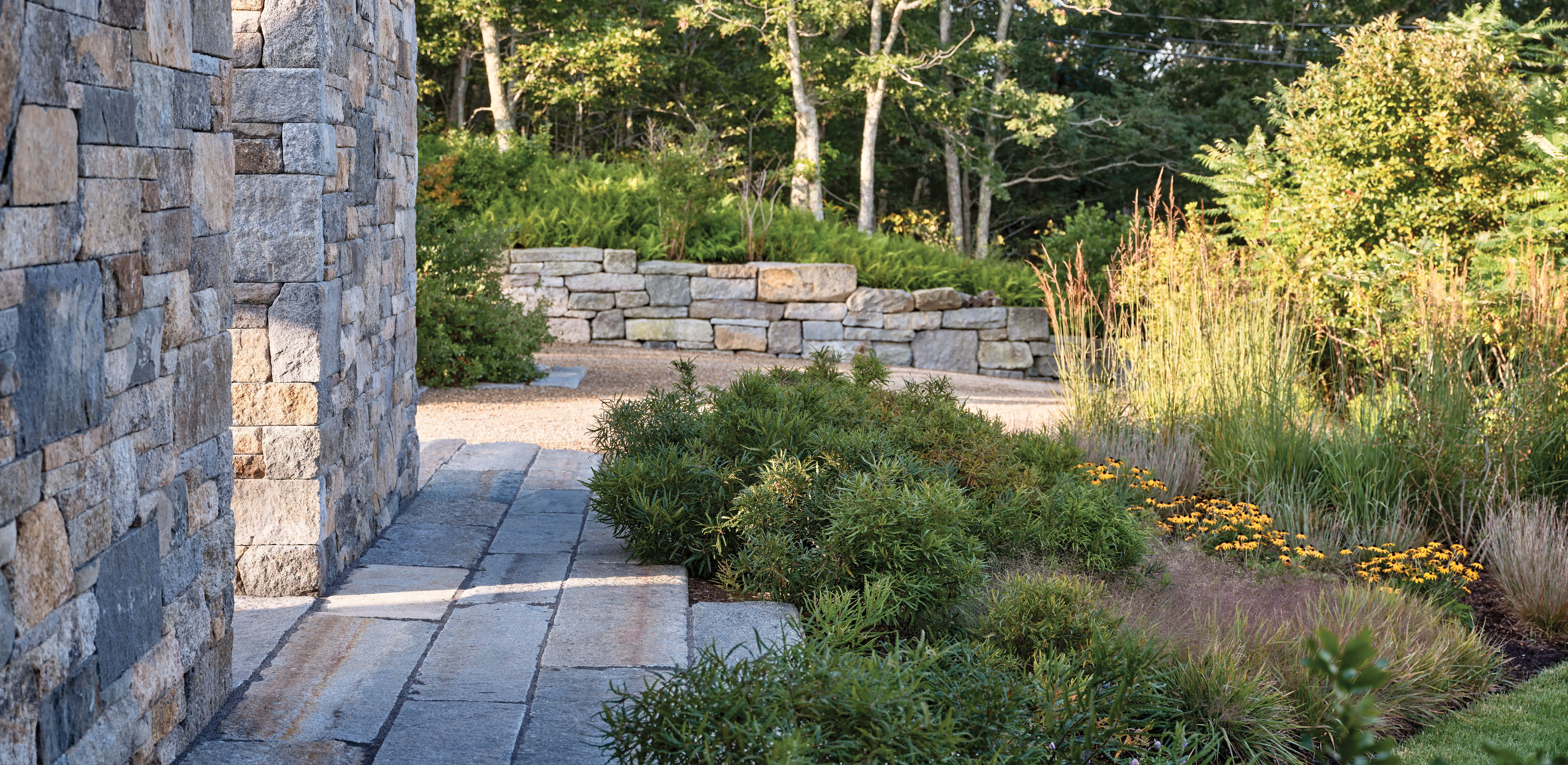
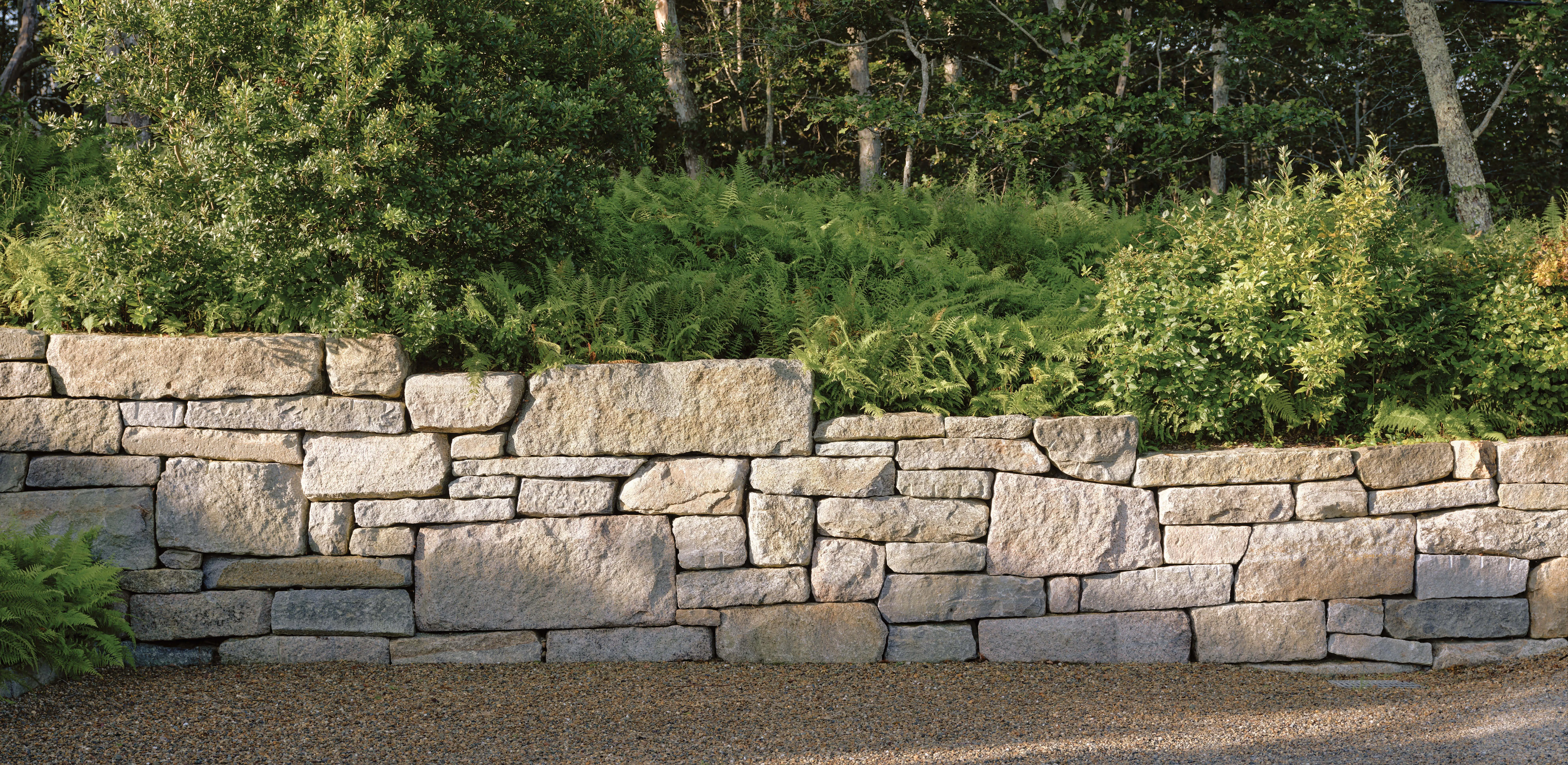
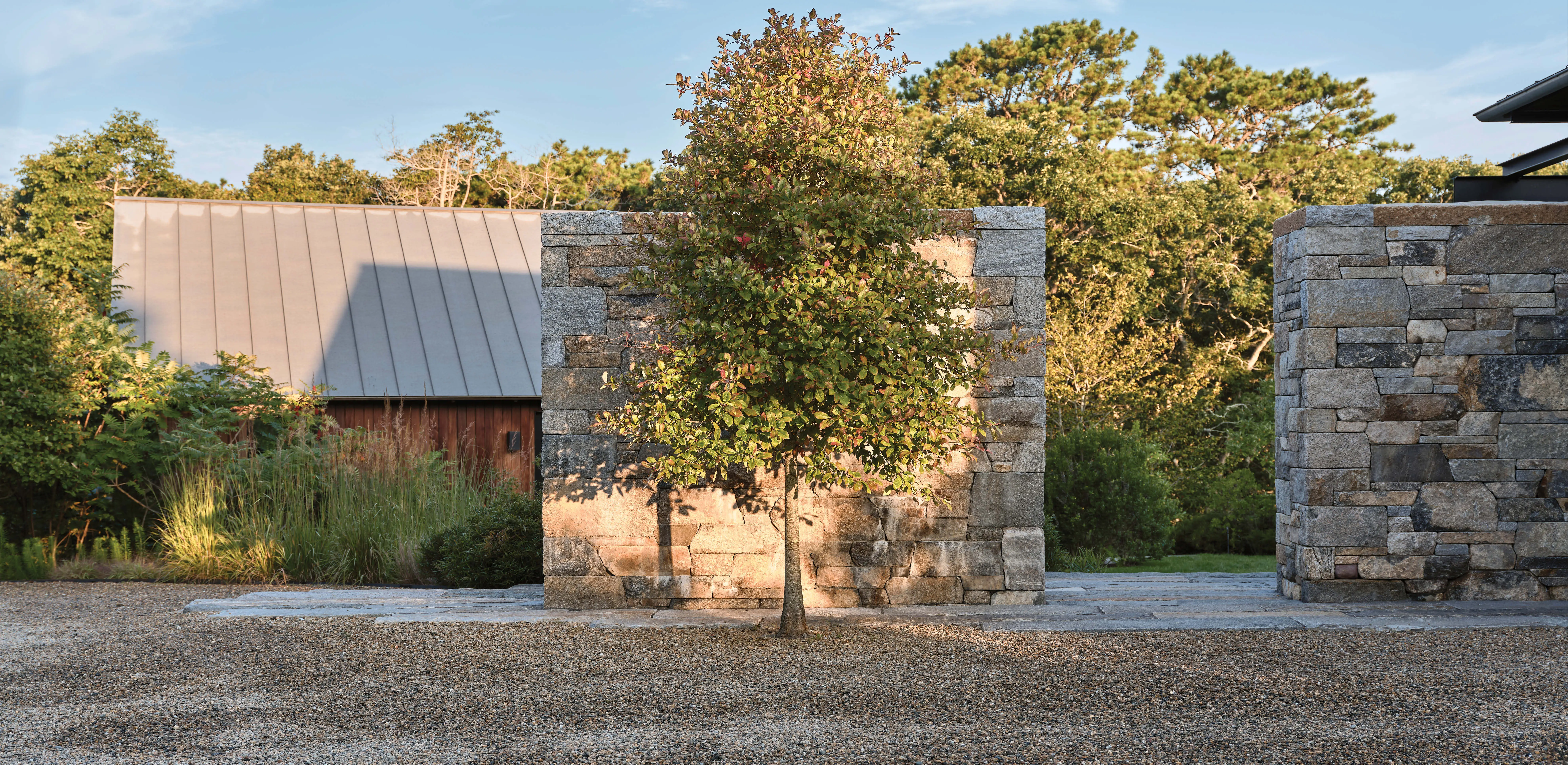
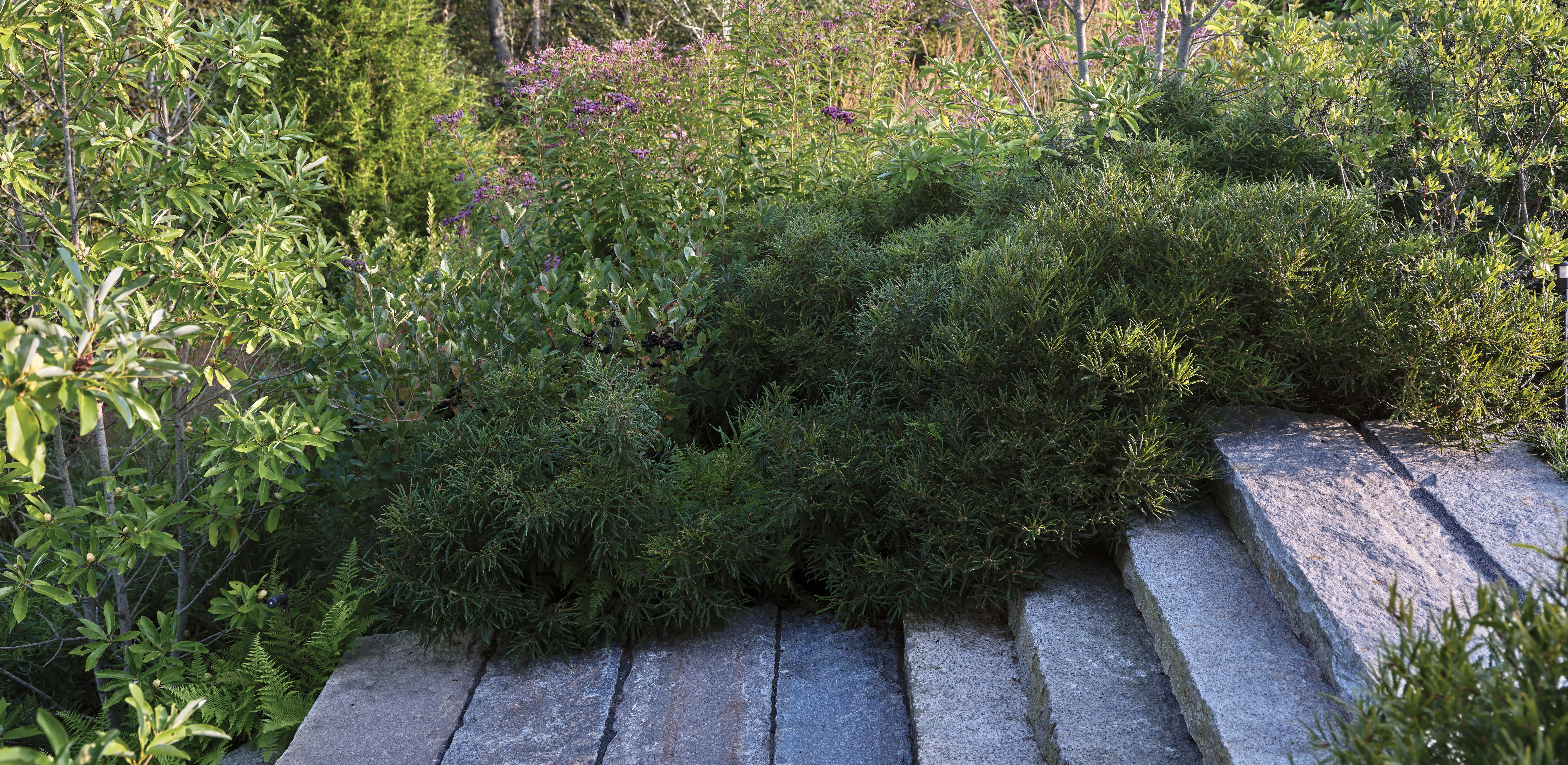
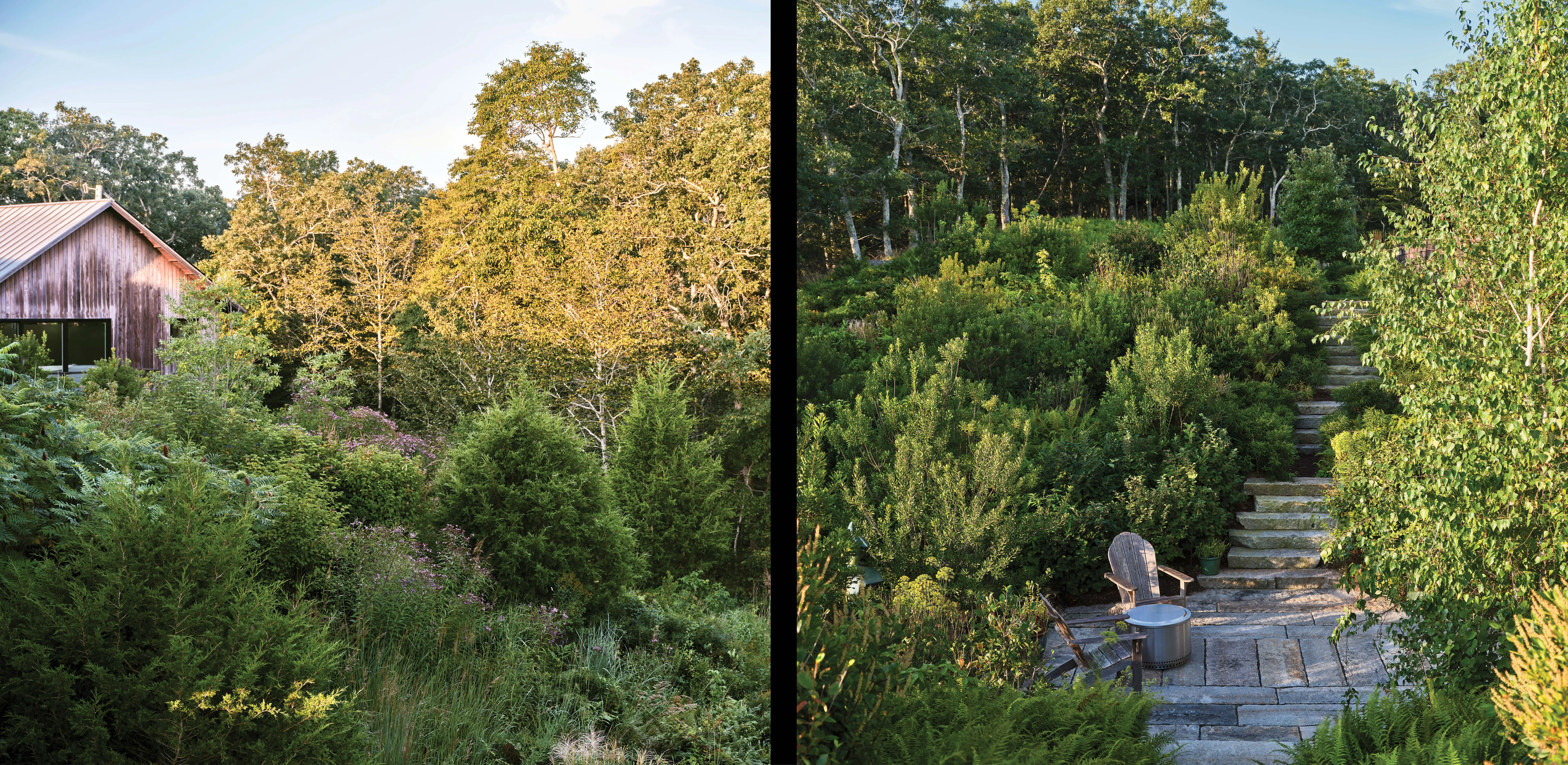
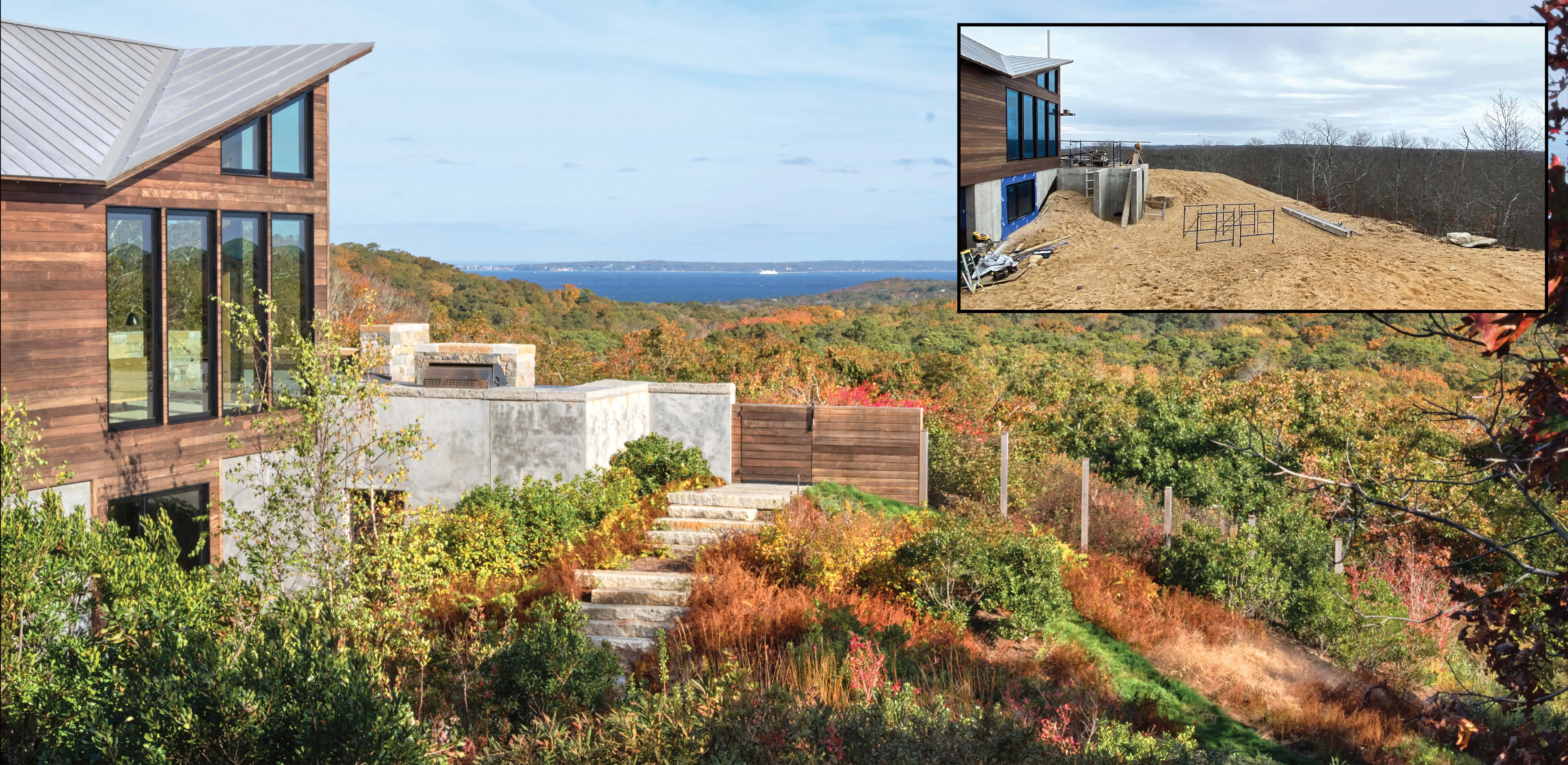
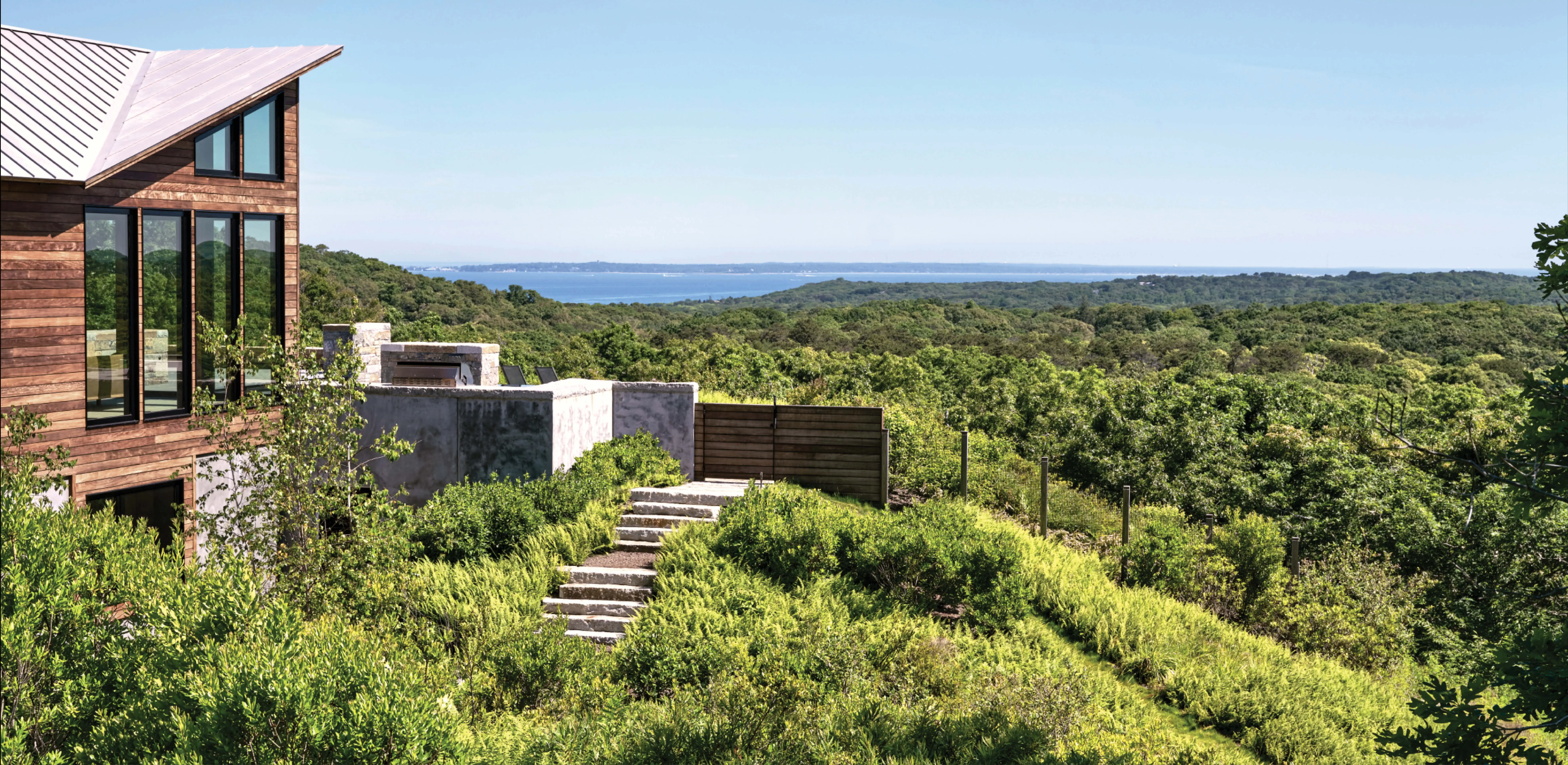
A beautiful and very well-crafted project! The attention to detail and connecting the native landscape back to its adjacent ecologies is highly successful. A sense of scale, stonework detailing and the interface between the existing and new vegetation is very strong.
Awards Jury
-
From a bare hilltop, a client’s desire to revive sentimental connections to Martha’s Vineyard invited the submitting firm to undertake an experiment: weaving an ecologically rich garden into the steep sandy slopes of a disturbed site. Rather than replant a lost forest, successional plant communities—shrub thickets, meadows, and fern-covered embankments—root the home to ever-evolving surroundings while creating diverse habitat. Dry-laid stone walls and reclaimed granite paths navigate terrain, grounding the architecture in place. This layered, low-maintenance plant community proves resilience and beauty can emerge through thoughtful rehabilitation and careful stewardship, honoring both personal memory and family history.
-
A Landscape Remembered and Reimagined
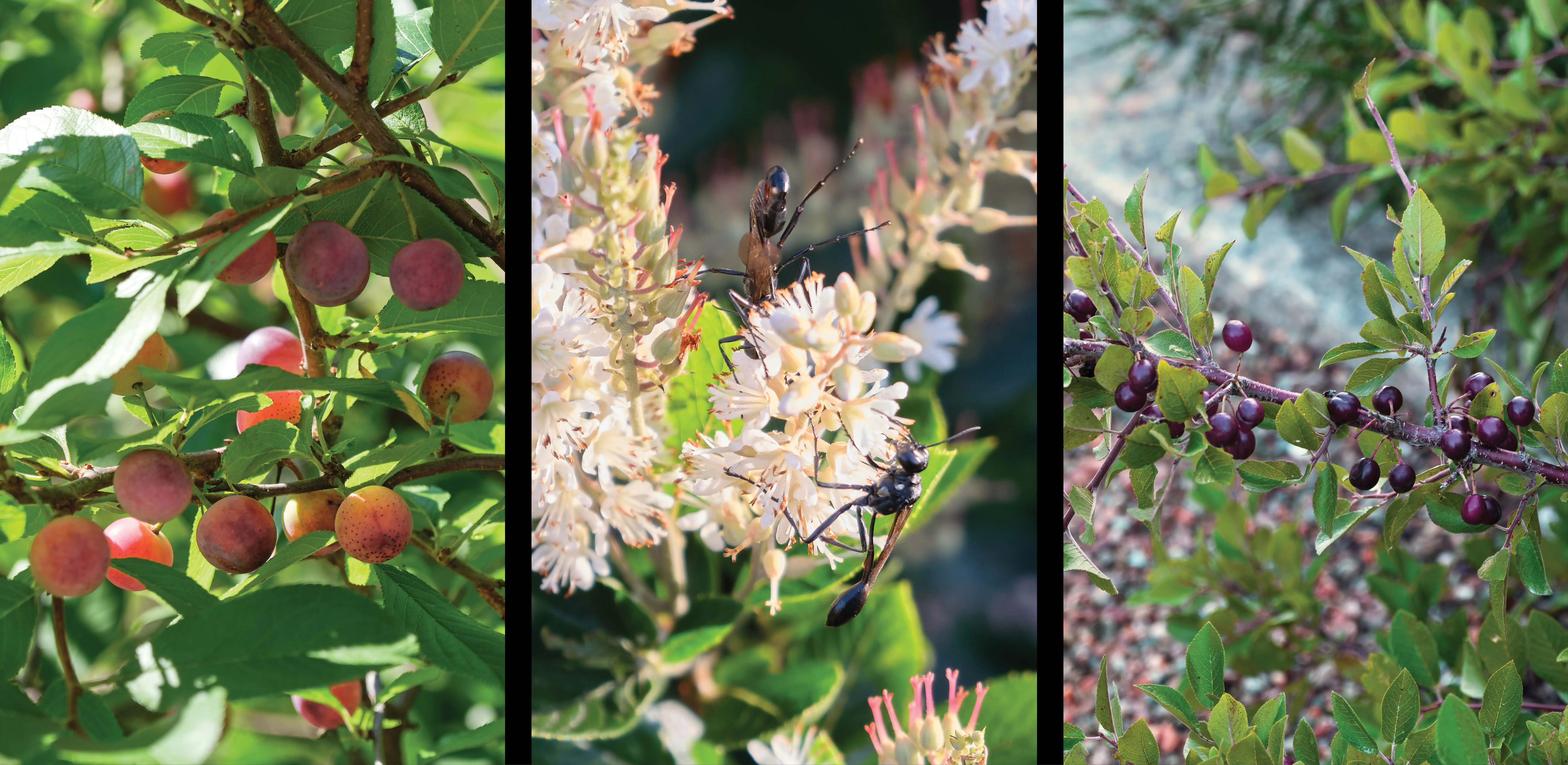
Huckleberry Perch presents a story of renewal and childhood landscapes reimagined for the future. Sitting atop one of the highest points on Martha’s Vineyard, the property has long been a place of discovery, with the client recounting most fondly the gathering of beach plums, blueberries, and huckleberries with his late grandmother.
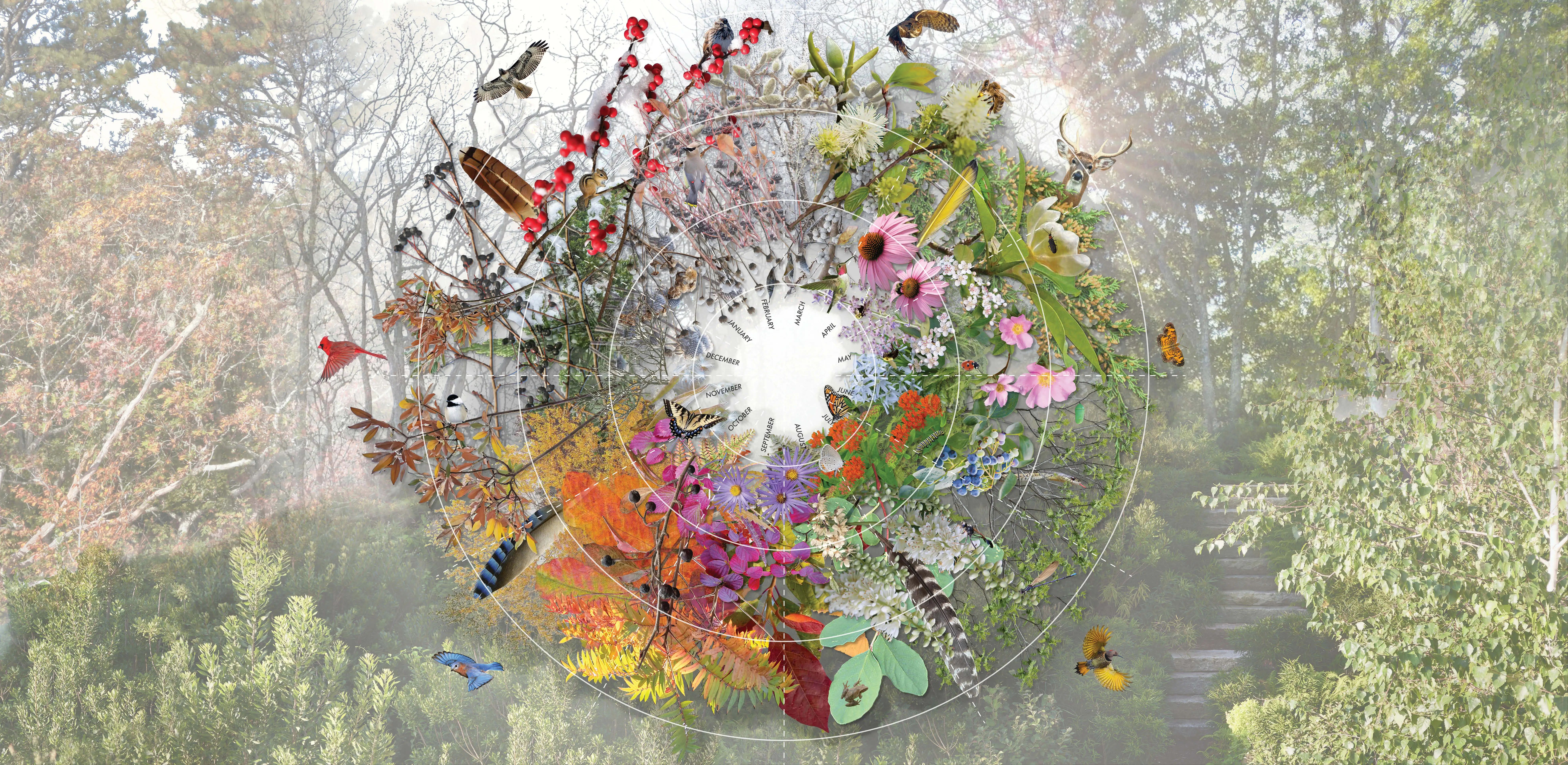
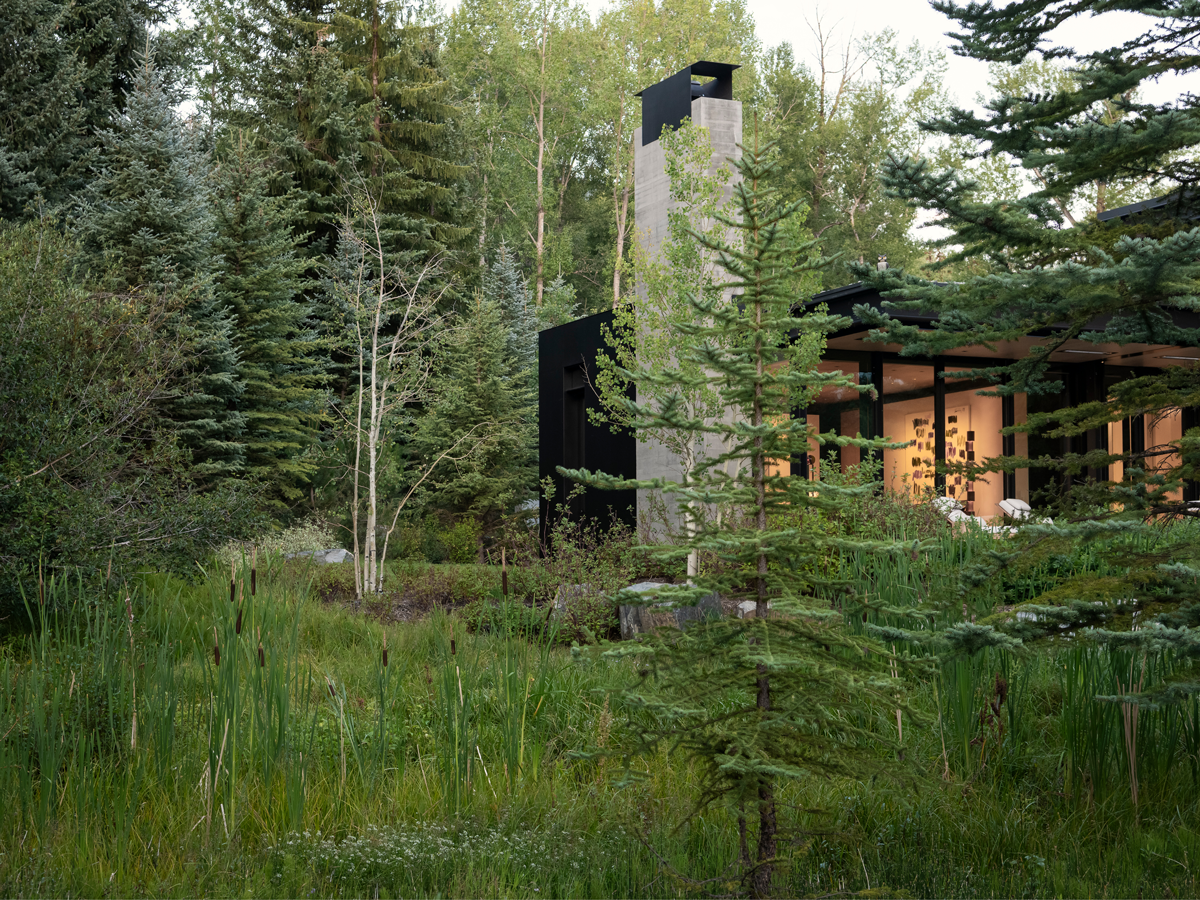
By the time the landscape architects joined the project, much of the land had already been cleared for house construction, leaving behind a barren, lifeless expanse surrounded by a sculptural beech, oak, and pine forest. Rather than replant the forest, the team embraced a successional native plant palette, crafting a mosaic of unique species assemblages that grew quickly into a thick vegetative armor that adapts to everchanging weather patterns. The challenge was to invite wanderlust through experiences that engage the site’s topography and to stimulate the island’s unique ecologies to return to the site where mature woodland once stood. The resulting landscape blends strength with beauty, offering dynamic multiseasonal interest, increased habitat, and expansive biodiversity.
Re-Rooting Home
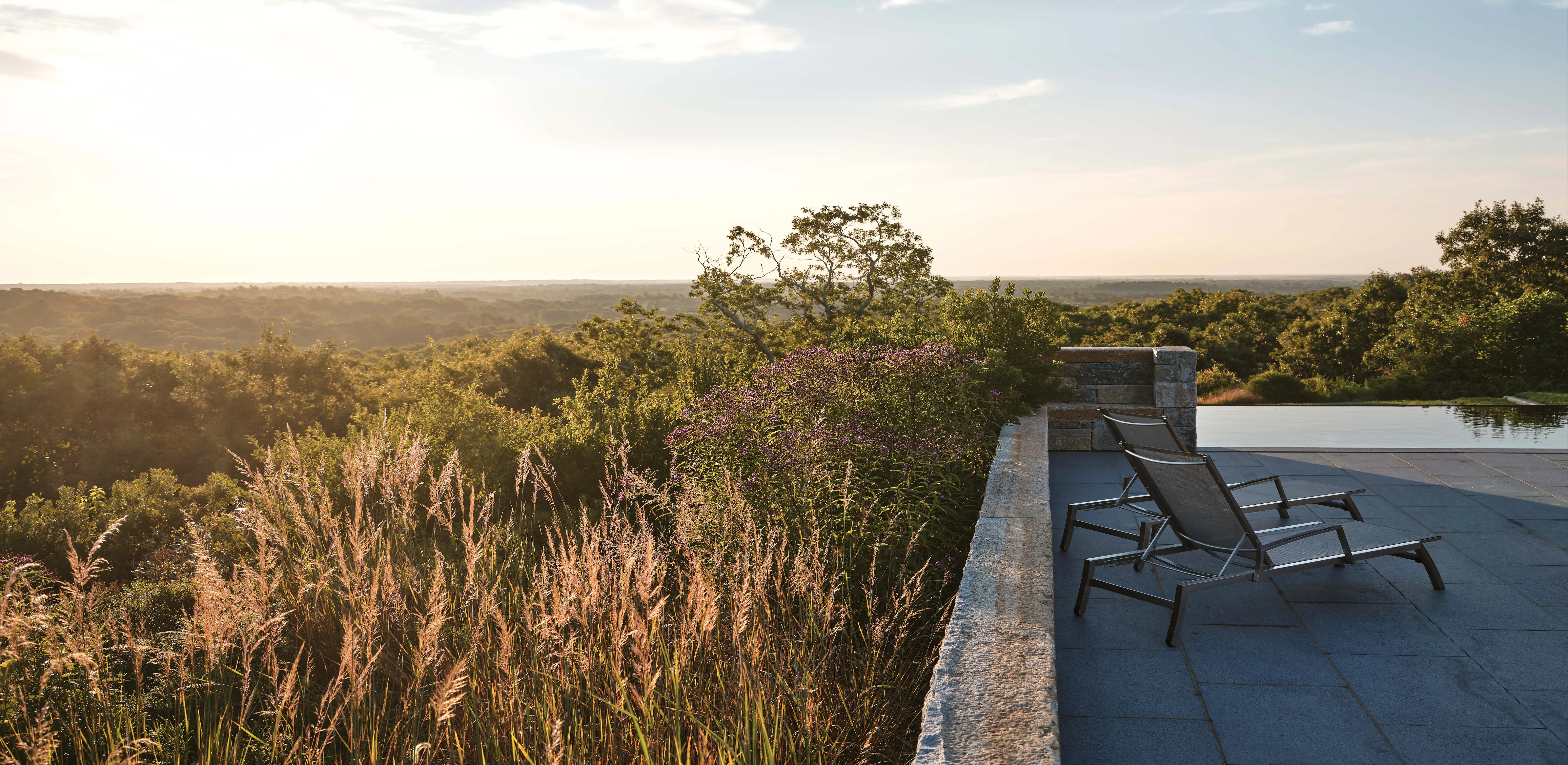
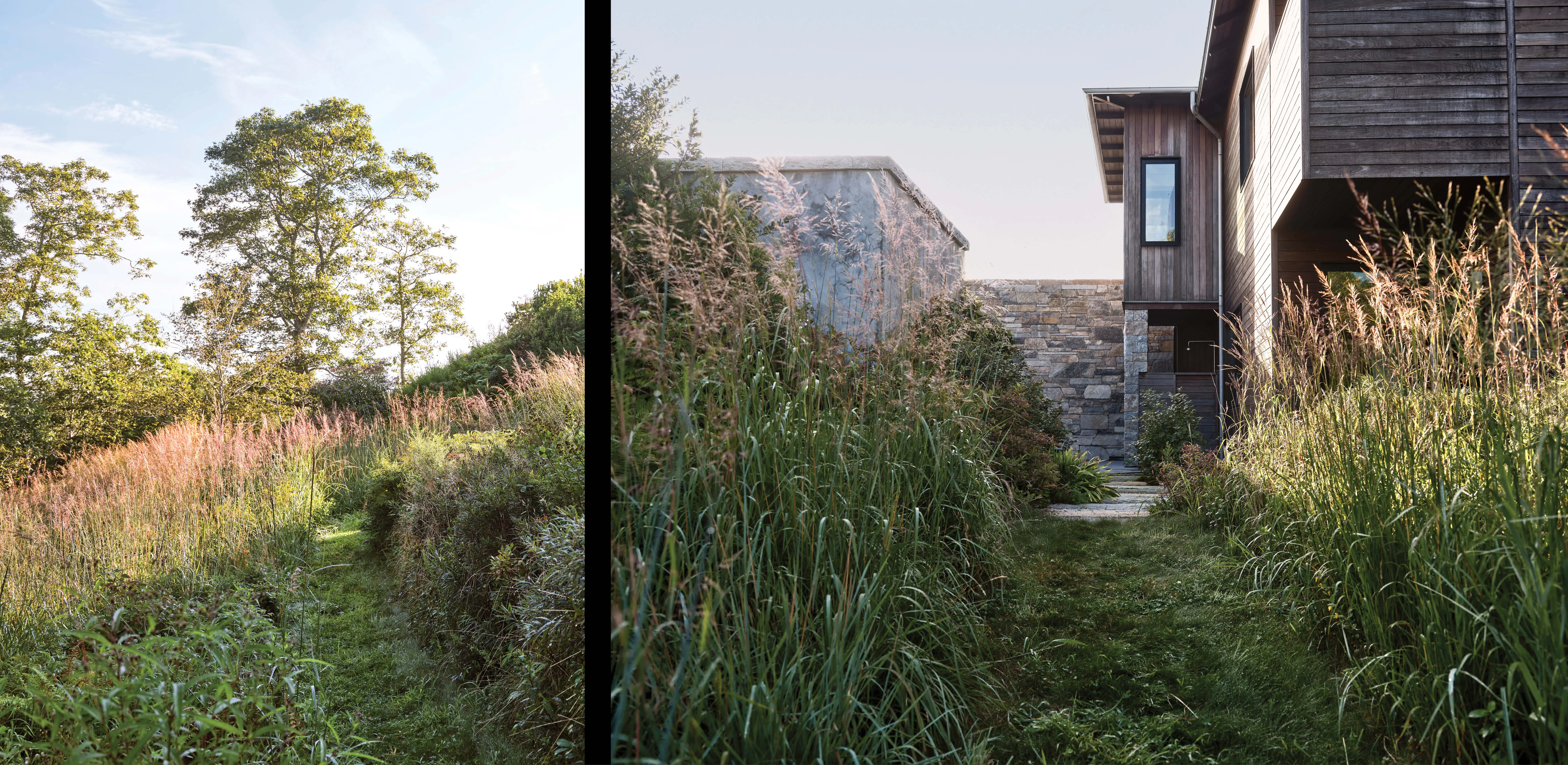
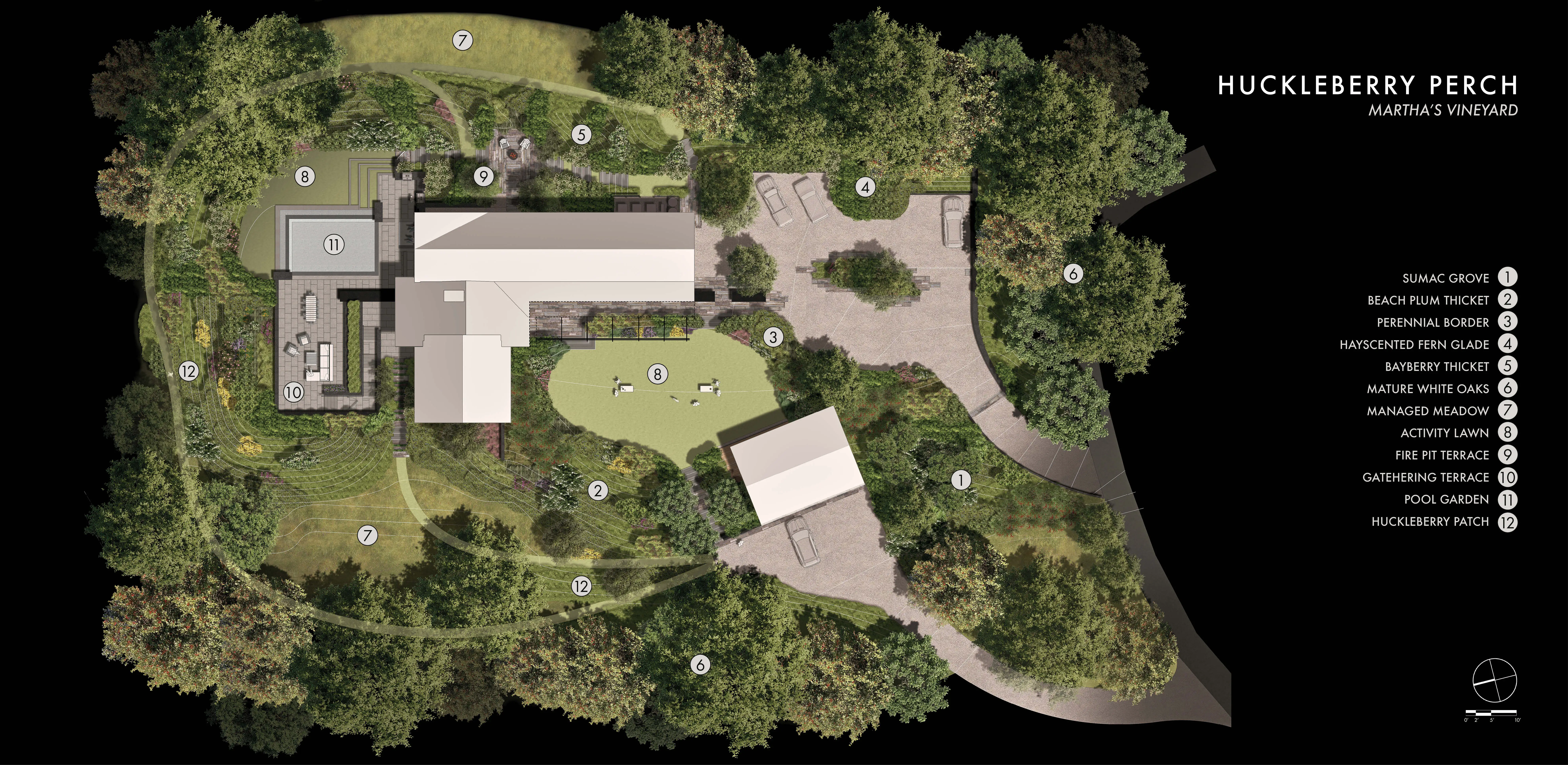
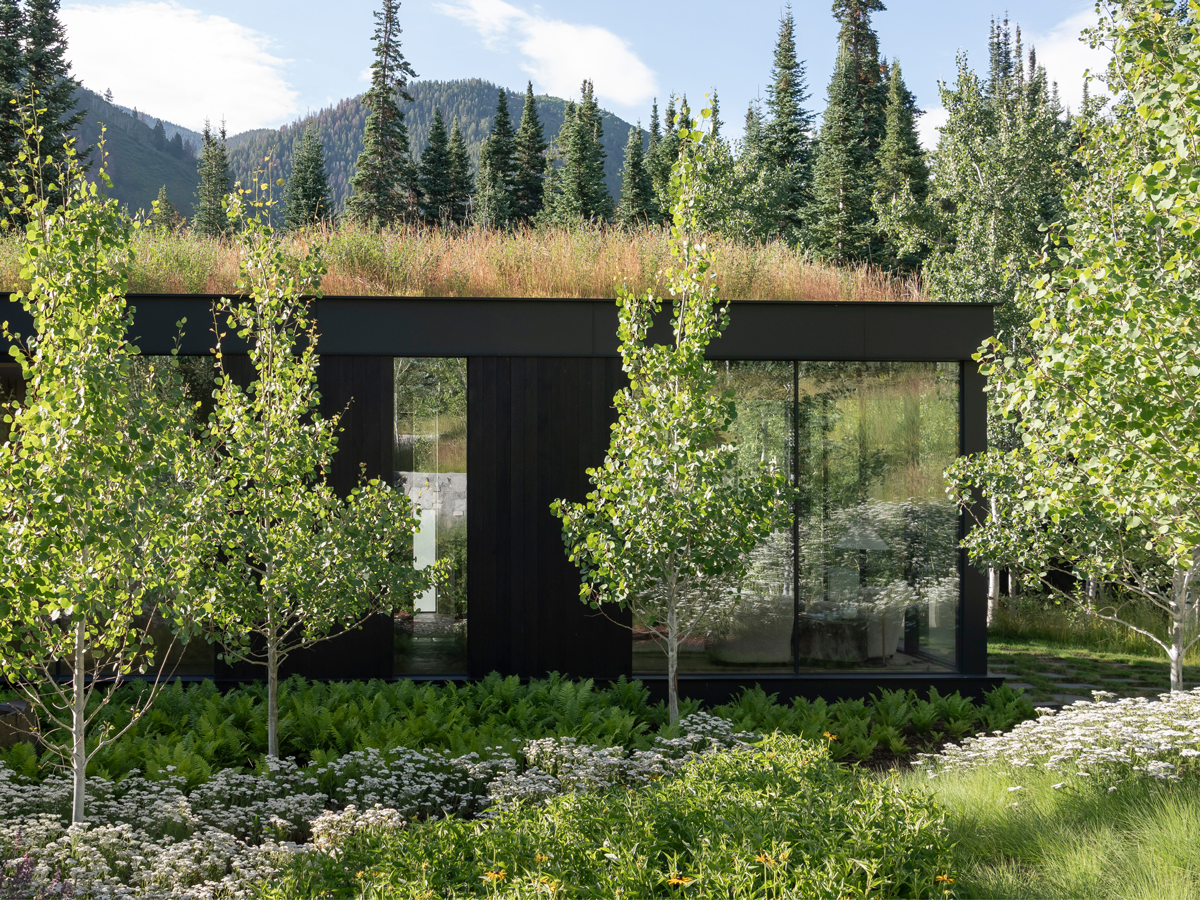
The robust new plant community includes many nitrogen-fixing, drought-resistant species that thrive in acidic, nutrient-deficient soils. Dense thickets of bayberry, beach plum, chokecherry, sweetfern, and huckleberry transition into sweeping meadows of little bluestem, Indian grass, fescue, ironweed, and asters. The whole site now vibrates with life, and a complex food web is on full display year-round. Textural fern colonies and sedge clumps anchor embankments with fibrous root systems to prevent erosion while softening transitions between open and wooded areas. Small groves of staghorn sumac, birch, and sweetbay magnolia provide scale and tone down the structure’s crisp architectural forms.
Impeccable masonry extends the building’s geometries to guide movement out into the landscape. Salvaged granite slabs carefully embedded into the earth form paths and terraces. Hand-tooled staircases grip sculptural landforms, forging unique textural dialogues between built and natural forms.
A central activity lawn—the gravitational core of the landscape —provides flexible space for gathering, recreation, and movement. Sun-loving drifts of Black-eyed Susan, Joe-pye weed, purple love grass, Russian sage, and goldenrod surround the space to ensure floral impact and pollinator support near the home. Overall, intentional plantings quickly give way to wilder, more spontaneous edges, where evolving colonies overlap with the surrounding forest.
Connecting to the Land
Huckleberry Perch thrives through ongoing collaboration. The client is a passionate steward, observing and responding to the site’s needs. Early years of hands-on maintenance, from meadow weeding to strategic mowing, have allowed the garden to settle into a mostly self-sustaining rhythm. Periodic embellishments are made, and invasives species are carefully monitored and removed. What began as an open expanse has become a layered, living system—one that continues to evolve. With each season, the site becomes richer, more deeply tied to its context, and more attuned to the ecological memory of the land.
-
- Contemporary Landscape Martha's Vineyard (CLMV) - Landscape Contractor
- Stedman Construction - General Contractor
- R+D Studio - Architect
- Nina Farmer Interiors - Interior Designer
- Sourati Engineering Group - Surveyor and Civil Engineer
-
Products
- Hardscape
- Lighting
-
- Betula populifolia
- Juniperus virginiana
- Magnolia virginiana
- Nyssa sylvatica 'Wildfire'
- Oxydendrum arboreum
- Aronia melanocarpa 'Viking'
- Clethra alnifolia
- Clethra alnifolia 'Hummingbird'
- Comptonia peregrina
- Fothergilla gardenii
- Ilex verticillata 'Southern Gentleman'
- Ilex verticillata 'Winter Red'
- Itea virginica 'Henry's Garnet'
- Myrica pensylvanica
- Prunus maritima
- Rhus typhina
- Rosa virginiana
- Vaccinium corymbosum
- Viburnum dentatum
- Adiantum pedatum
- Amsonia hubrichtii
- Asclepias tuberosa
- Athyrium filix-femina 'Lady in Red'
- Carex pensylvanica
- Dryopteris erythrosora 'Brilliance'
- Echinacea purpurea 'Magnus'
- Eragrostis spectabilis
- Hydrangea anomala petiolaris
- Panicum virgatum 'Shenandoah'
- Perovskia atriplicifolia
- Rudbeckia maxima
- Schizachyrium scoparium 'Carousel'
- Sorghastrum nutans
- Symphyotrichum o. 'Raydon's Favorite'
- Vernonia noveboracensis
- Dennstaedtia punctilobula
- Gaylussacia baccata
- Polytrichum commune
- 50% Coastal Salt Grass Mix
- 50% NE Showy Wildflower Mix
Advertisement
Related Awards
Award of Excellence, Residential Design
Datum House
Location: West Stockbridge, MA
Firm: Wagner Hodgson
This modern homestead was designed for a family with a passion for the arts and a deep connection to the region. The project was guided by three principles: (1) create dynamic spaces to support the needs for everyday residential living and large philanthropic events, (2) contribute to the cultural legacy of western Massachusetts, and (3) use sustainable practices to guide design and restore the ecological integrity of the site. A prominent view of Massachusetts's tallest peak offered an organizing framework, serving as the datum for architectural and landscape design. With these parameters, the project team explored creative and sustainable solutions to harmoniously blend a variety of spatial scales into a sensitive agrarian vernacular.
Related Articles

ASLA Fund
American Society of Landscape Architects Announces its 2026 Student Awards
39 Student Award winners elevate the future of the landscape architecture profession
Aug 24 2026